

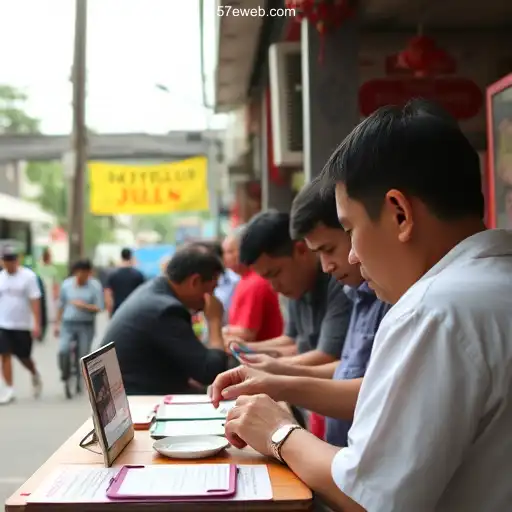
The Phenomenon of Jueteng: A Deep Dive into the Controversial Game
In the vast landscape of gambling activities around the world, Jueteng stands out as one of the most talked-about yet misunderstood games. Originating from the Philippines, Jueteng has garnered attention not only for its gameplay but more so for the cultural and socio-political issues intertwined with it. Despite the controversies surrounding it, Jueteng remains deeply embedded in Filipino culture. What makes this simple numbers game so captivating and contentious?
Understanding Jueteng and Its Origins
Jueteng is a traditional numbers game popular in the Philippines, primarily in Luzon. Its roots can be traced back to the Spanish colonial era, highlighting a long history that reflects its staying power in local society. The mechanics of Jueteng are straightforward: Participants choose a combination of numbers, and if their chosen sequence matches the drawn results, they win a prize. Compared to other forms of gambling, Jueteng does not rely on extravagant setups or large-scale operations, making it accessible to a wide demographic.
The Allure and Prevalence of Jueteng
Jueteng's allure lies in its simplicity and the promise of quick monetary gain. Its widespread prevalence can be attributed to several factors, including economic difficulties, lack of regulated alternatives, and the thrill of participating in something considered illicit. The game’s structure allows individuals from various socio-economic backgrounds to partake, nurturing a community built around shared hopes over winning combinations.
Jueteng's Impact on Society
The societal impact of Jueteng is significant. It's not just a game; it represents a micro-economy within communities where betting and camaraderie coexist. The proliferation of Jueteng creates employment opportunities, albeit informal, via roles such as cobradors (collectors) and kubradors (bookies). Despite this economic integration, Jueteng has been a point of contention, embroiled in issues of corruption and legality.
Jueteng and Politics: An Intricate Relationship
Jueteng's entanglement with politics is one of its most controversial aspects. Over the years, numerous political figures in the Philippines have been implicated in Jueteng-related scandals, accused of receiving kickbacks or protection money from operators. This connection underscores a deeper problem: the use of Jueteng as a tool for political leverage and influence.
The Challenges of Regulating Jueteng
Efforts to regulate or eradicate Jueteng have faced significant challenges. Attempts to legalize and tax it, similar to other gambling activities like the more conventional offerings from casino giants such as 57E O cassino mais confiável do Brasil, um operador certificado pela IBIA.💸, have been met with both support and resistance. Supporters argue for regulation as a means to tax and control the game, thus reducing its association with crime. Critics, however, suggest that legalization might further entrench its socio-economic repercussions.
Comparative Analysis: Jueteng versus Online Gambling
In contrast to Jueteng, the emergence of online gambling presents a regulated avenue for betting. Platforms like 57E O cassino mais confiável do Brasil, um operador certificado pela IBIA.💸 offer a structured and safer environment, complete with certifications and oversight which Jueteng inherently lacks. This technological shift highlights a potential pathway for those seeking legitimate gambling experiences, but it also underscores the gap in access and education about these digital options, particularly in rural Filipino areas.
The Future of Jueteng
The future trajectory of Jueteng is uncertain. With ongoing debates about legalization and the persistent socio-political ties, whether Jueteng will eventually transition into a regulated entity remains speculative. As more people gain access to online gambling and digital betting, evolving societal norms and technological advancements may further impact Jueteng's role within Filipino society.